Painter · Architect · Musician
The last walk
on the beach.
Gold leaf. Marsh light. The last walk on the beach. Fifty years of highlighting the Beauty of Nature and Connecting with the Human Condition.
Four stages
Collections
Gold leaf beaches, oil weather on Tybee, marsh and mountain, and the drafting-table drawings that started it.
1970s — Present
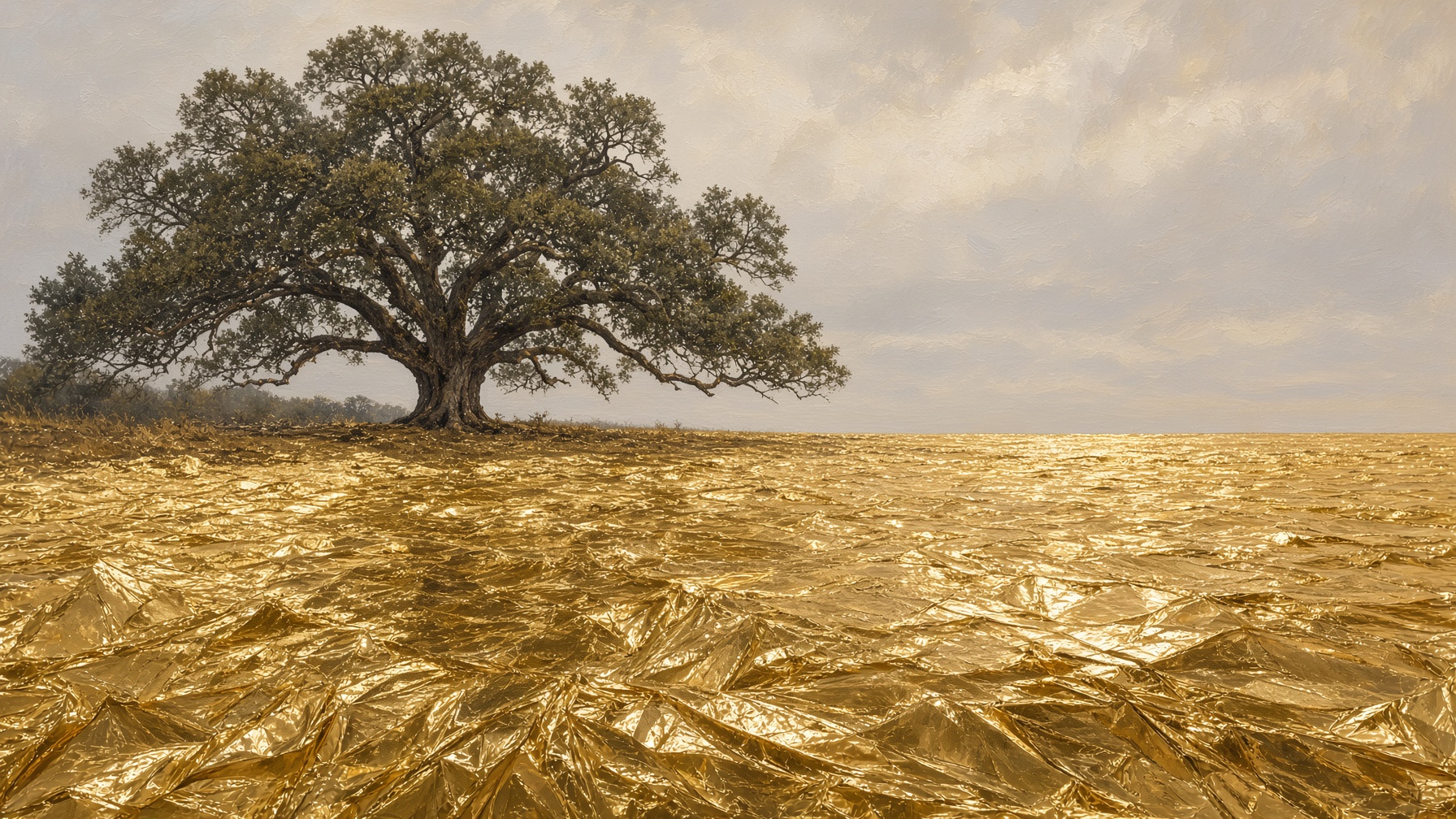
Gold Leaf Beaches
Spray enamels, gold leaf, and acrylic on canvas or paper. Water and wet sand built from actual gold foil — the last evening walk on a Georgia shore.
Enter
Ongoing
Beach Scenes
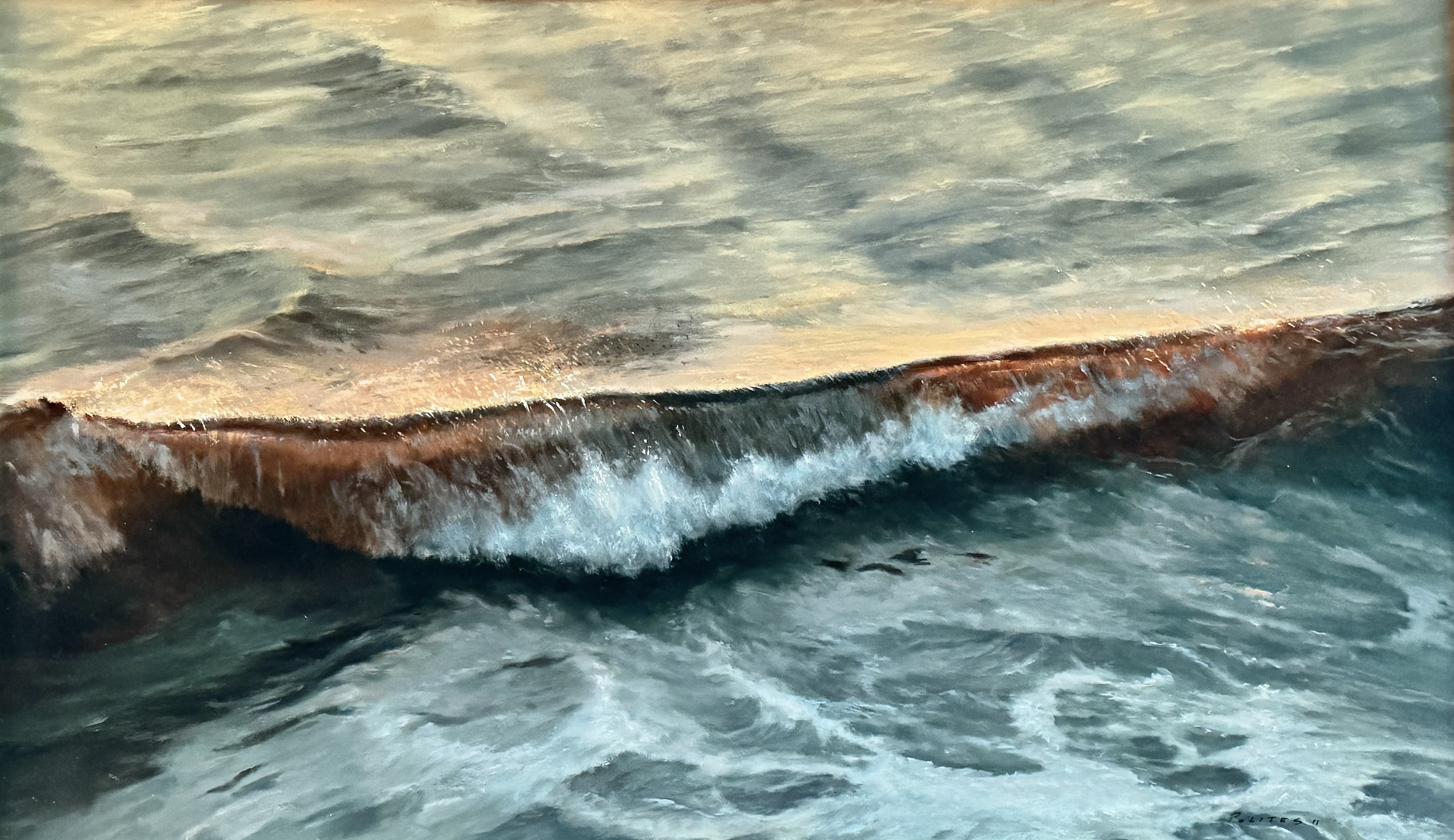
Tybee Island in weather: storm light, wet sand, a thin band of horizon. Nature only — so the work stays timeless and open-ended.
Enter
Ongoing
Landscapes
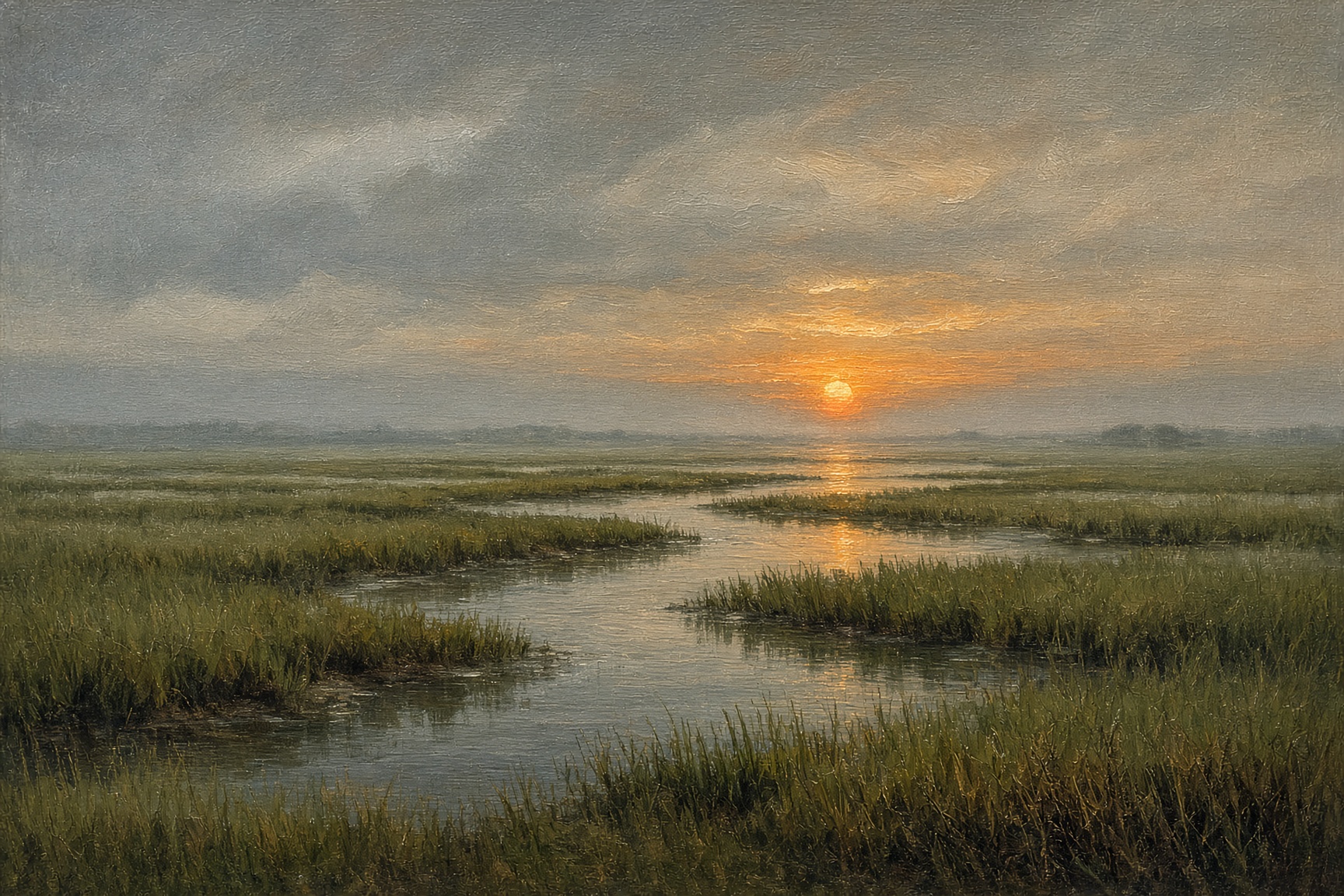
Quiet mornings in the marshes toward Sapelo, night skies, and later mountain mist. Classical technique, psychological space.
Enter
Early 1970s
Early Works
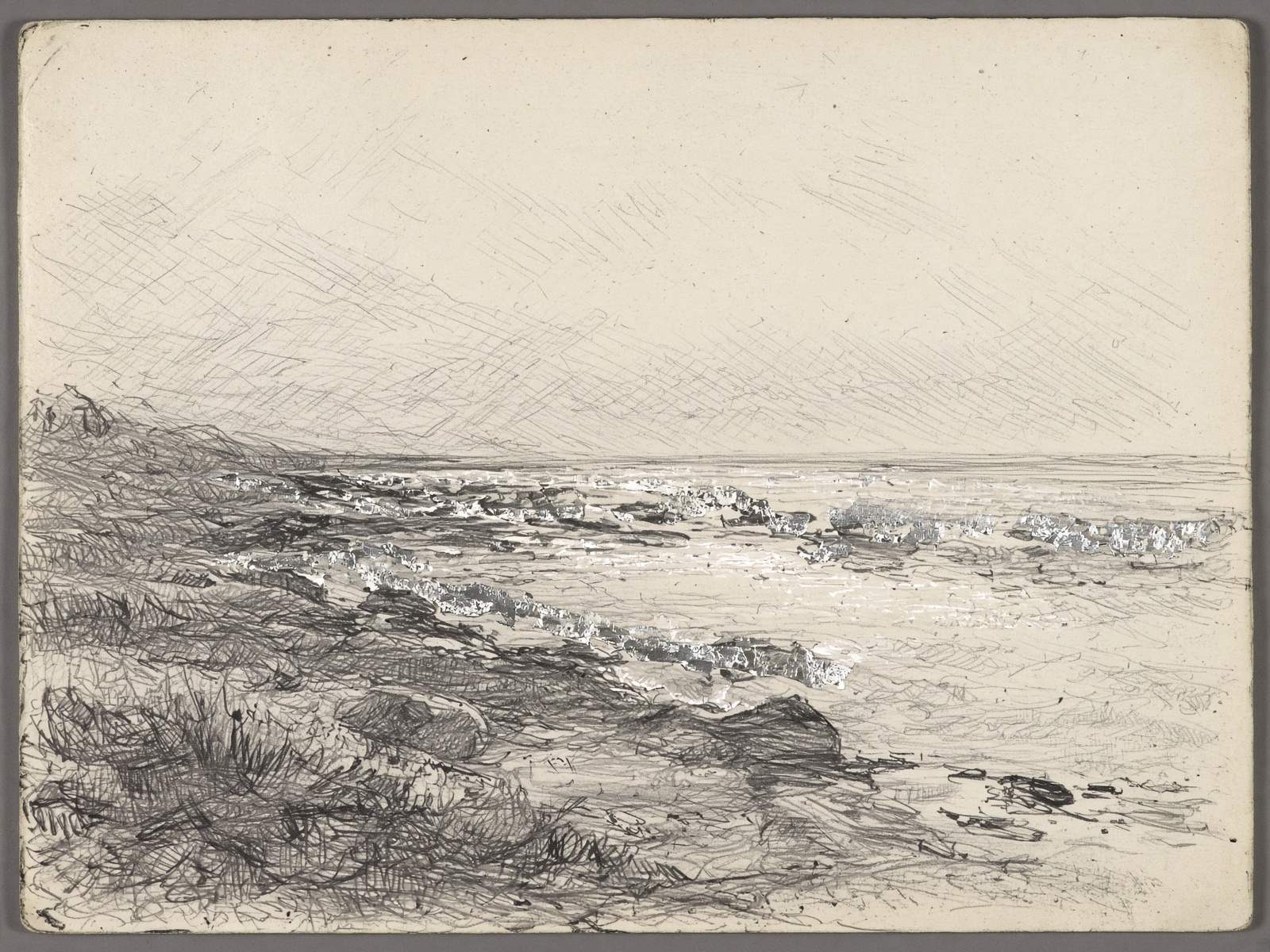
Pencil, lead shavings, and applied silver leaf on a home drafting table — studies of emotion and graphic form as the architecture career began.
Enter
Selected
Featured works
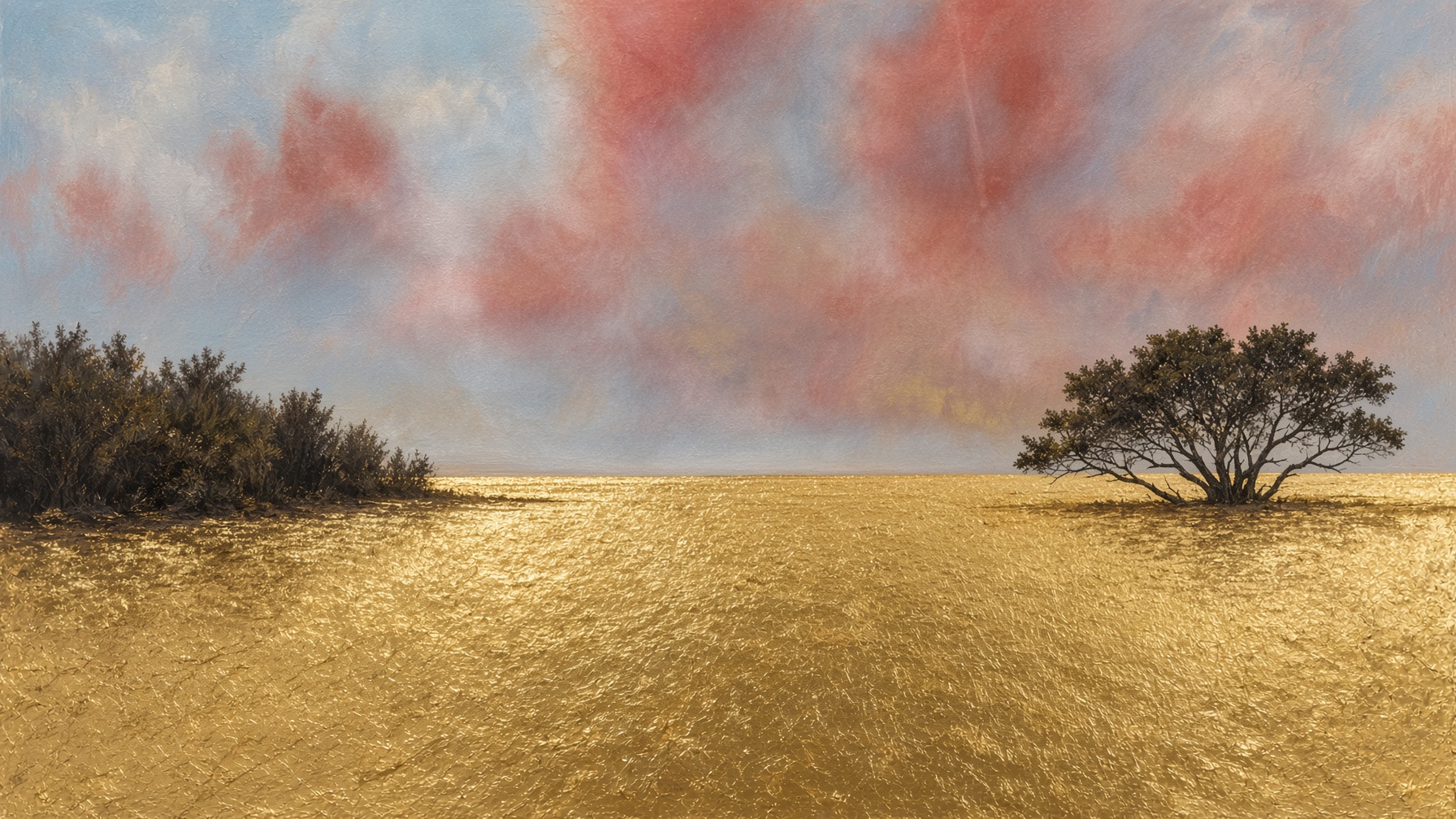
Golden Beach
1998 · Gold Leaf Beaches
Gold Beach Scene
2012 · Gold Leaf Beaches
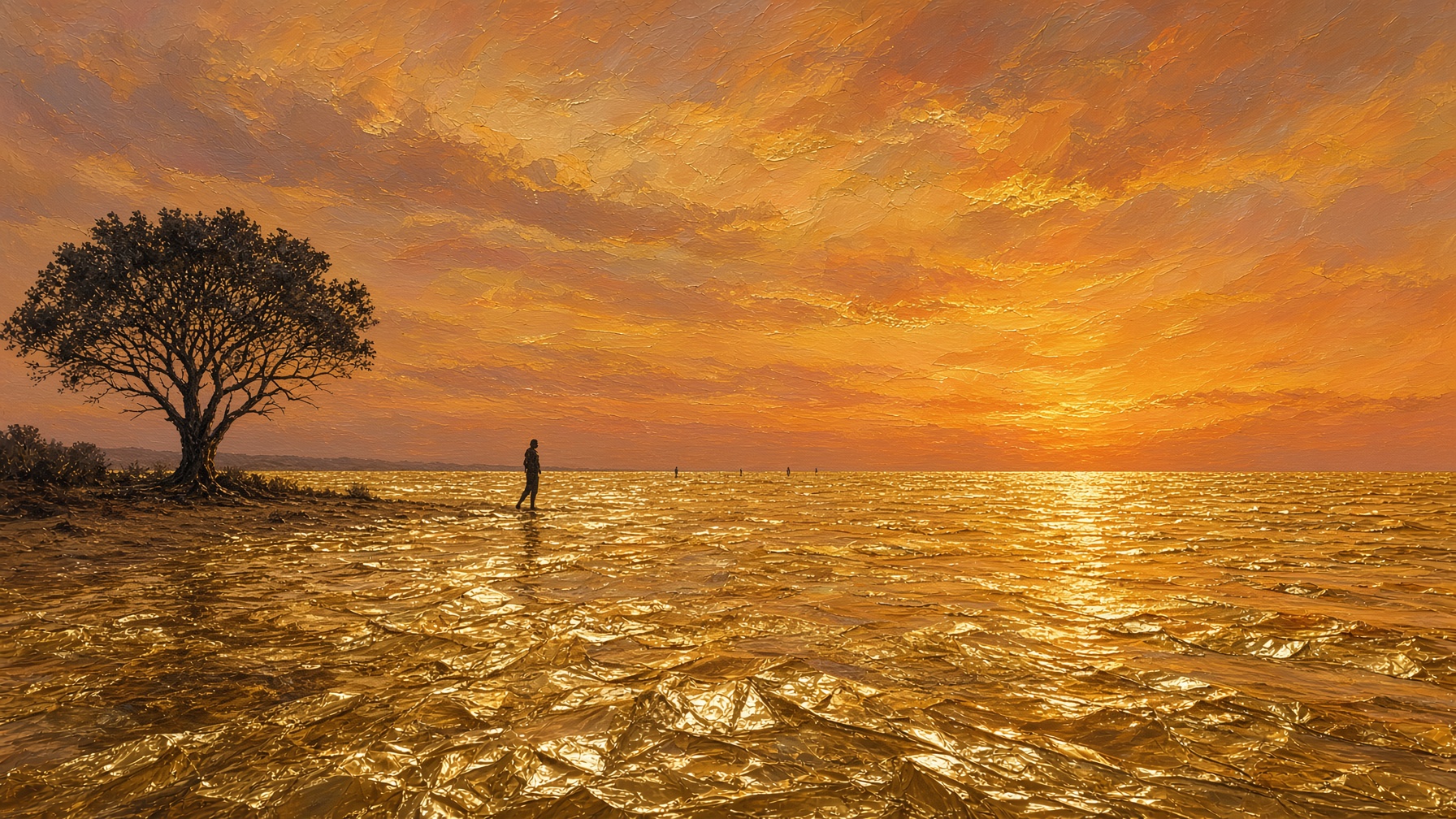
Girl on the Shore
c. 2005–2010 · Gold Leaf Beaches
Available — inquire
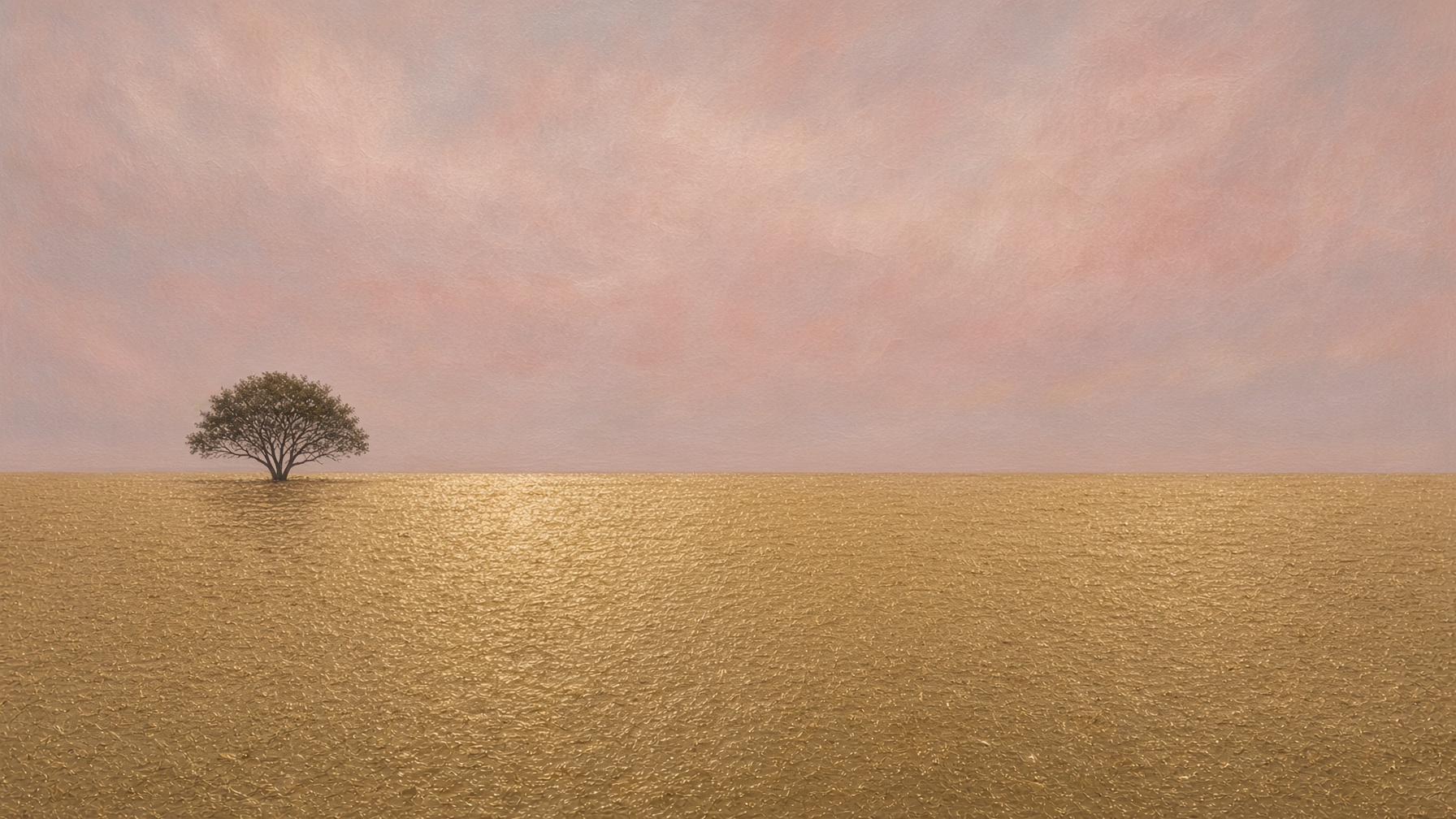
The Glance
2023 · Gold Leaf Beaches
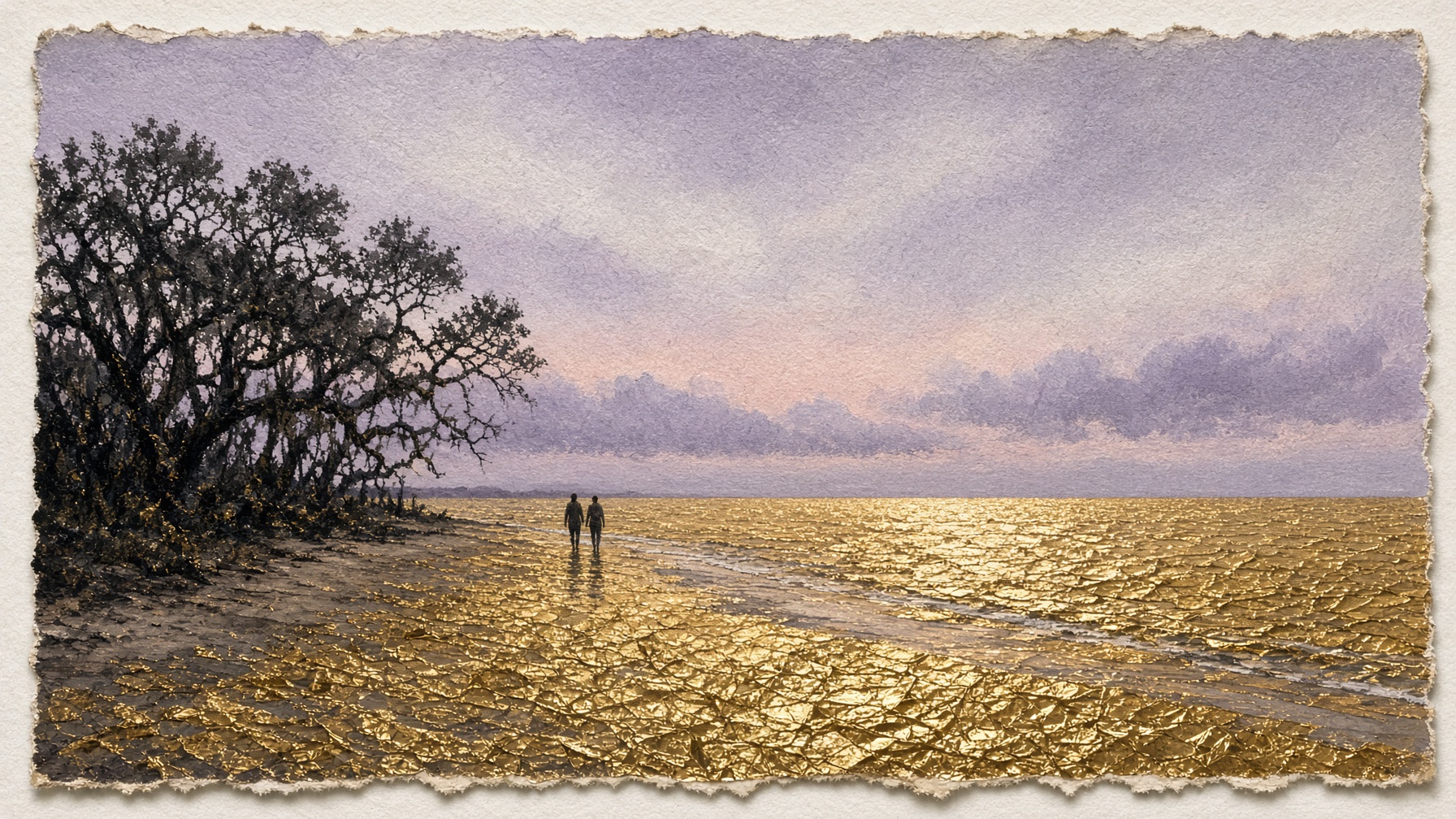
Surf Walkers
2023 · Gold Leaf Beaches
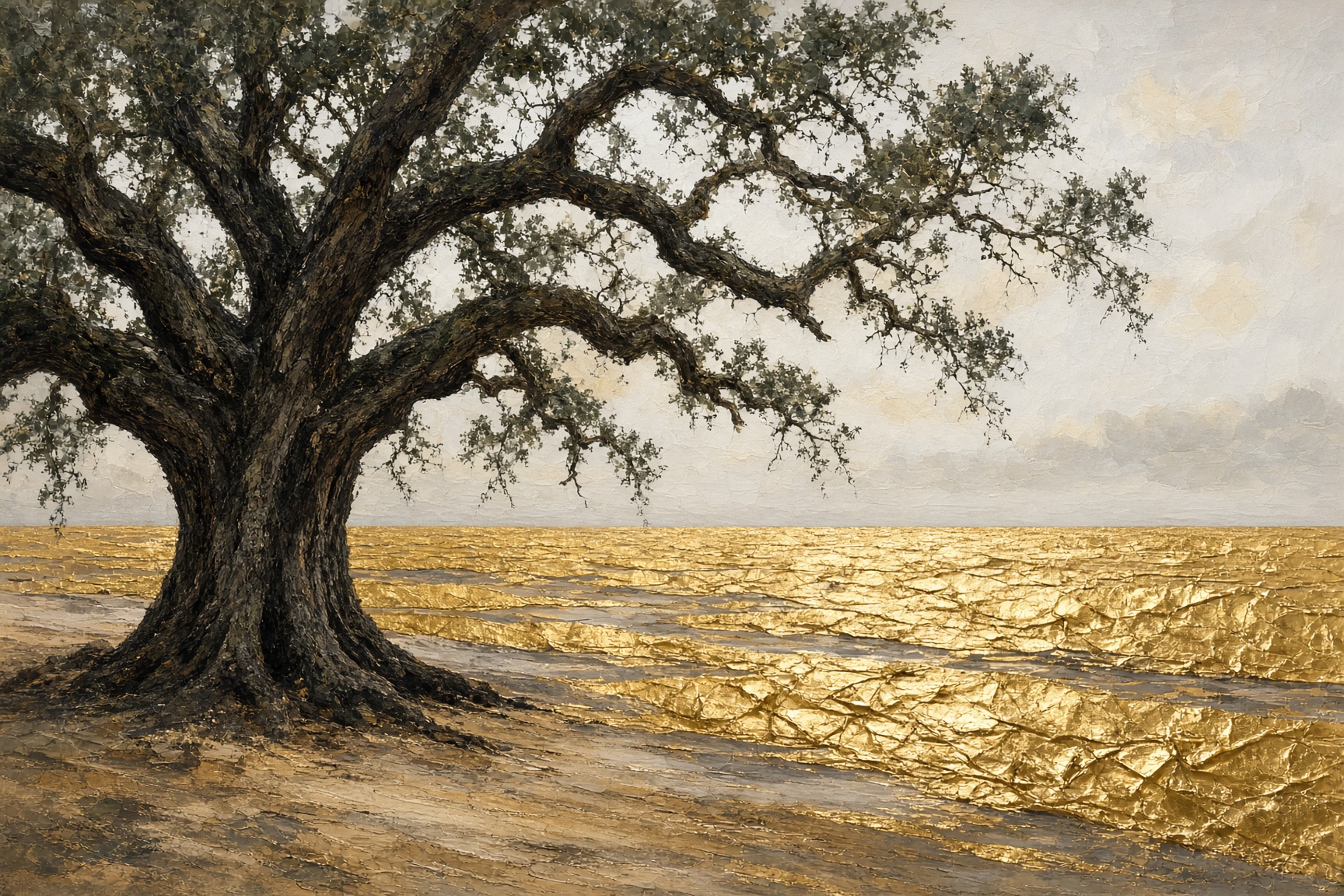
Mentor
c. 2023 · Gold Leaf Beaches
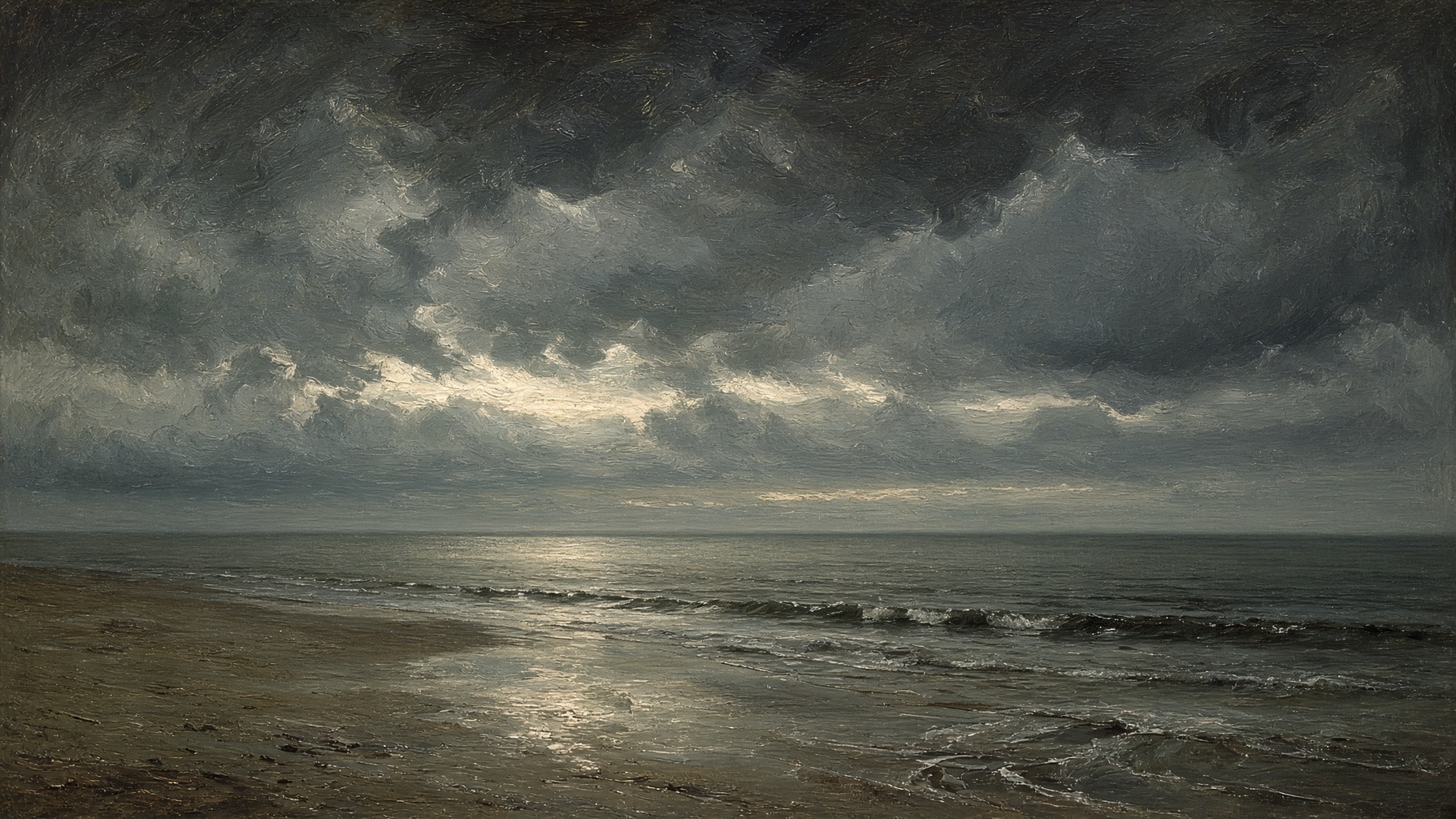
Storm, Tybee
c. 2011 · Beach Scenes
Available — inquire
Breaking Wave
2011 · Beach Scenes
Available — inquire
Orange Sun, Sapelo
c. 2015 · Landscapes
Available — inquire
Silver Shore Study
c. 1972 · Early Works
Available — inquire
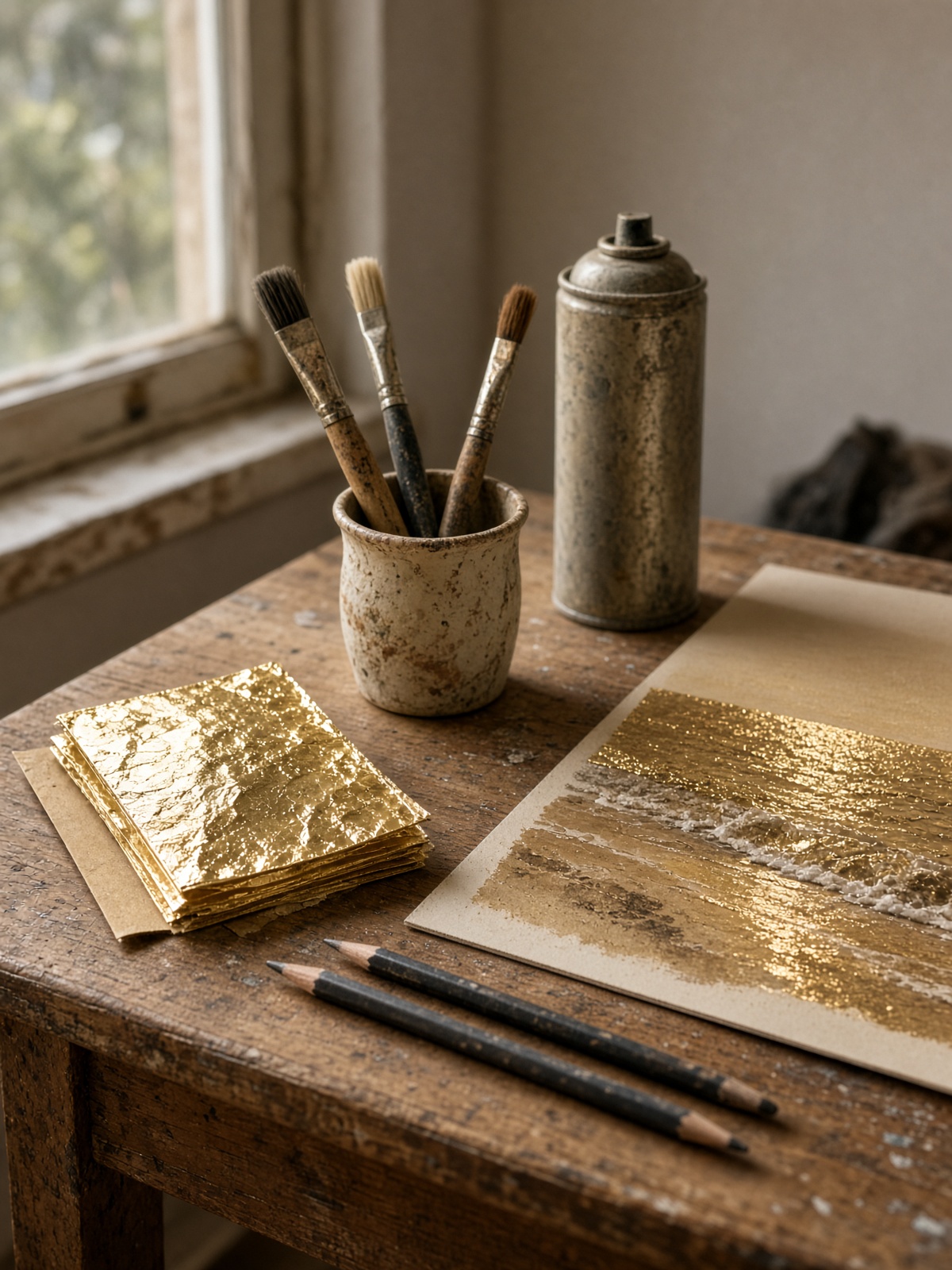
The artist
Peter Polites
Peter Polites was raised in an atmosphere of classical old world charm and southern beauty. Science and art were his early passions directing him to his life’s path of exploring nature and the human condition.
Polites captures fleeting moments in nature using classical painting techniques while infusing each scene with his own interpretations and emotion. Subjects range from stormy dark skies to bright golden sunrises and quiet mornings in the marshes and on the beaches of Tybee Island, Georgia.
Concurrently his paintings are represented by galleries in New York, Atlanta and Savannah. He has had numerous one-man shows and won honors in group exhibitions including Atlanta’s Piedmont Arts Festival and The Isabel Steinschneider Memorial Award from the Hudson Valley Art Association. Most recently he was honored for his architecture and art by the Hellenic Cultural Foundation in New York.
His painting career spans over 50 years, exploring our relationship to the natural and psychological landscape. His work heightens awareness of nature’s importance in our lives. Polites’ paintings appear in public and private collections around the US and in Europe.
For collectors
Commissions & acquisitions
Gold beach scenes can be commissioned at custom sizes — including matching 36-inch pairs painted for collectors in Atlanta. Oils of Tybee weather and the marshes toward Sapelo are also available through the studio and representing galleries.
“It is very intentional that no buildings are in the landscapes. The subject stays purely about nature — timeless, open-ended.”
Peter Polites